winnie
Gardening is an art form that connects us to nature and allows us to express creativity through the cultivation of life. Understanding garden words can deepen our appreciation for this timeless hobby and enhance our ability to share our passion with others.
Common gardening words and terms
For those new to gardening or looking to brush up on their vocabulary, understanding common terminology is key. Words like “perennial,” “annual,” and “fertilizer” are just the start of a long list of terms that help gardeners communicate effectively about their craft.
Perennials are plants that live for more than two years, while annuals complete their life cycle within a single growing season. Fertilizer, on the other hand, is a substance added to soil to promote plant growth.
Other essential terms include mulch, used to retain soil moisture and suppress weeds, and compost, organic matter that has been decomposed and recycled as a fertilizer and soil amendment.
How beautiful garden words can enhance your garden
Language is a powerful tool that can transform the way we perceive our gardens. Descriptive words such as “lush,” “verdant,” and “bountiful” not only depict the visual splendor of a garden but also convey the emotion and sensation evoked by its beauty.
Lush gardens are thick with greenery, verdant spaces are green with growing plants, and bountiful gardens are abundantly filled with flowers and produce.

Using evocative garden words can inspire and motivate gardeners, as well as help them to articulate the specific ambiance they wish to create within their own garden spaces.
20 words related to garden
- Blossom
- Arbor
- Botanical
- Cultivate
- Germinate
- Harvest
- Herbaceous
- Irrigation
- Nectar
- Organic
- Pollination
- Propagation
- Prune
- Soil
- Species
- Terrarium
- Topiary
- Trowel
- Varietal
- Zone
Useful gardening phrases
Gardening is not just about the individual words but also how they come together in phrases that provide instruction, advice, and insight. Phrases such as “deadhead the roses” or “water deeply and infrequently” are invaluable for garden maintenance.
“Deadheading” refers to the removal of faded or dead flowers from plants to encourage further blooming. Meanwhile, the advice to “water deeply and infrequently” suggests a watering technique that encourages deep root growth.
Other phrases like “plant in well-drained soil” and “apply a layer of mulch” are practical tips that can make a significant difference in the health and appearance of a garden.
Cute garden words
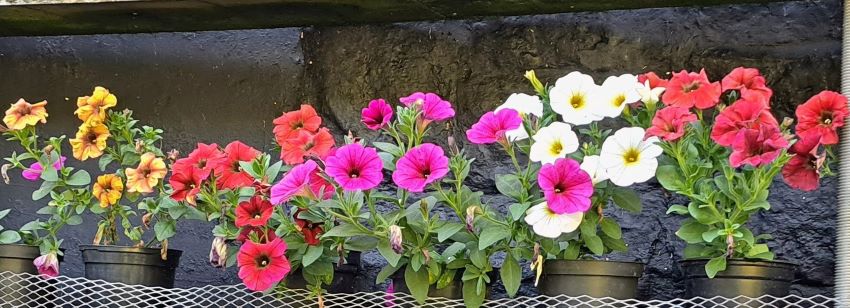
Cuteness can be found in the garden too, with charming words like “pansy,” “fairy garden,” and “hummingbird.” These words not only describe garden elements but also evoke whimsy and delight.

A “pansy” is a type of flower known for its bright and varied colors, while a “fairy garden” is a miniature garden designed to attract playful spirits and bring good luck. “Hummingbirds,” although not a gardening term per se, often visit gardens and are delightful to observe as they flutter among the flowers.
Such words add a playful element to gardening, making it more accessible and enjoyable for every age.
Garden words that start with M
Many garden-related words begin with the letter M, each carrying its own significance. “Mulch,” “manure,” and “moss” are examples that represent the diverse aspects of gardening.
“Mulch” refers to a layer of material applied to the surface of soil for protection, while “manure” is a natural fertilizer consisting of animal feces and organic matter. “Moss,” a type of small, flowerless plant, often grows in moist, shaded areas and can add a lush, green carpet to the garden landscape.
Each of these words adds depth to our understanding of the garden environment and the myriad of components that contribute to its vitality.

Poetic words for garden enrich your experience
A garden can be a source of poetic inspiration, with words like “sanctuary,” “oasis,” and “enclave” highlighting its role as a place of refuge and peace.
A garden can become a “sanctuary,” offering solace and a retreat from the outside world. It can serve as an “oasis,” providing a lush and fertile spot in the midst of a busy life. An “enclave” suggests a garden that is a secluded and protected space, where one can enjoy privacy and tranquility.
Embracing such poetic language can elevate the gardening experience, turning it into an artful pursuit that nourishes the soul.
Related questions about garden terminology
What words describe a garden?
The words used to describe a garden can capture its essence and atmosphere. Descriptors like “serene,” “flourishing,” and “manicured” provide insight into the garden’s aesthetic and state.
A “serene” garden promotes calmness, a “flourishing” garden is full of life and growth, and a “manicured” garden indicates careful, precise maintenance. Each term offers a distinct perspective on the character of a garden.

What is a fancy word for gardening?
“Horticulture” is a fancy term that encompasses gardening on a more scientific and professional level. It involves the cultivation of plants for food, comfort, and beauty, and requires knowledge of plant biology and ecology.
This term is often used in professional contexts and emphasizes the technical and methodical aspects of gardening.
What is a good word for garden?
A good word for garden that captures its essence is “haven.” A garden is often a personal refuge or sanctuary that provides solace and comfort to those who tend and visit it.
The word “haven” suggests a safe and peaceful place, which a well-tended garden can certainly be.
What are the old English landscape words?
Old English landscape words like “mead,” “thicket,” and “fen” reflect the natural features of historic British countrysides. “Mead” refers to a meadow, “thicket” to a dense group of bushes or trees, and “fen” to low and marshy or frequently flooded land.

Understanding these terms provides a glimpse into the ancient landscaping traditions and the language that shaped them.
Exploring the world of garden words enriches our understanding and allows us to communicate our gardening experiences with precision and beauty. Whether you are a seasoned gardener or a curious newbie, expanding your gardening vocabulary will certainly add a new layer of enjoyment to your gardening endeavors.
Additionally, to enhance your gardening vocabulary, you might want to check out this informative video on gardening techniques: